Posts

The Difference Between Japanese Encephalitis and Malaria

Image
Japanese Encephalitis and Malaria are common in countries like Asia or Africa, where climates are warm. Both diseases are transmitted through mosquito bites. However, Japanese encephalitis is caused by the flavivirus, while Malaria is caused by a parasite that enters your bloodstream. Today, there are specific measures to prevent infection, such as taking the Japanese encephalitis vaccination . Key Facts about Japanese Encephalitis The virus that causes Japanese encephalitis is related to dengue, West Nile virus and yellow fever. The JE virus is transmitted through a cycle between pigs, birds and mosquitoes. It is then transferred to humans through the bite of an infected mosquito from the Culex species. Once infected by the virus, you can develop mild symptoms to none at all in a period of 5 to 15 days. However, in rare cases, severe symptoms can also occur when the infection reaches the brain. Initial symptoms include: ·          Hi...

Can You Get Rabies Even If You Are Vaccinated Against It?

Image
It is very rare that you can get infected after receiving rabies vaccination . However certain reasons that may cause this to happen are delay in receiving vaccine after exposure to the virus and not following a proper vaccination schedule. Rabies is a fatal, viral disease that attacks the central nervous system leading to disease of the brain and eventually causing death. The disease is commonly spread through exposure to the saliva of a rabid animal transmitted through its bite. Incubation of the virus can take up to two weeks to a month, from the time of exposure until and symptoms manifest. This is due to the fact that the virus must first travel to the brain before symptoms show. This gives the rabies vaccine a very high chance of efficacy when administered after exposure to the virus. What are the signs and symptoms of rabies? Initial symptoms of rabies in people maybe similar to the flu that last for a few days. Ranging from: ·       ...

Chickenpox Vaccination for Children - Is It Needed?

Image
Chickenpox vaccination is necessary for a child's overall health plan in the UK. Not only does it protect a child from the pain, itching and fever associated with the illness, but it also helps reduce the transmission rate of the virus to other children and adults. The benefits of vaccination are numerous and far outweigh the potential risk. Vaccinated children are much less likely to experience symptoms, including the potentiality of having severe complications. Furthermore, the chickenpox vaccine helps reduce the chances of transmitting the virus to others at risk of severe illness or death. Therefore, receiving the vaccine is essential for any responsible parent to keep their children safe and healthy. Is VAR Vaccination Necessary in Streatham, Sydenham, and the Ramsgate, Northbolt, and Northampton? It is imperative to get chickenpoxvaccination in streatham or sydenham. Immunization is the number one way to protect children and save lives. Vaccination also helps to pr...

Microsuction or Syringing – Which One is More Effective?

Image
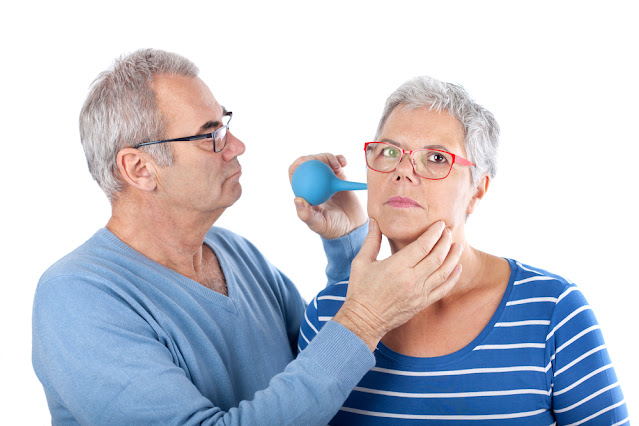
Microsuction and syringing are two of the most commonly used methods of ear wax removal. Microsuction involves using a mild suction to remove wax from the ear canal. Syringing, conversely, uses a stream of warm water to soften and flush out the wax. Both methods are safe and effective for removing cerumen and are available in specialized yellow fever clinics—ear wax removal in Sydenham and Ear wax removal at LEIGHTON BUZZARD. Microsuction is a gentle and precise method of ear wax removal, allowing the therapist to remove wax from the ear canal easily. It is often used as the first choice of wax removal as it is a safe and effective way of cleaning the ears. Comparison Between Microsuction and Syringing Comparing the two main methods of ear wax removal , Microsuction and Syringing, one can appreciate the differences in effectiveness, procedure, pain level, and cost. In terms of energy, microsuction is considered by many to be the most effective and safest method of ear wax remov...

Do I Need a Rabies Vaccine After Getting Scratched by a Cat?

Image
Rabies is one of the most infectious diseases in the world. It is a severe disease that can affect any mammal, including humans. More than 55 million cases were reported in 2016 alone. If your unvaccinated pet scratches you, it's possible to get rabies without knowing it. The virus gets transmitted through saliva or mucus transferred through an open wound. Scratches from cats can cause infections and other health problems, so get yourself checked out right away if scratched by a cat. Getting a  rabies vaccination leighton buzzard  prevents the virus from attacking your CBS and the brain. Why don’t your pet cats get the disease? You may wonder whether or not you need a rabies vaccine injection after being scratched by a cat. If you are, it's time for some good news: there is no need to worry about this! Cats don't carry the disease themselves because some species are naturally resistant to the effects of the virus causing the infection. It means that cats can host ...

What Countries are at Risk of Yellow Fever?

Image
Yellow fever is a viral disease which affects humans. There are three types of yellow fever. The first form of yellow fever, Yellow Fever A, is known as the "infectious" form and gives rise to symptoms in the early stages of infection. Symptoms include high fever, headache and muscle pain. The second type of yellow fever, called Yellow Fever B, is the RNA virus that causes severe disease. It leads to jaundice (which also occurs in malaria), vomiting and diarrhoea, followed by kidney failure if left untreated. The Aedes mosquito spreads the condition, which requires emergency care from a hospital or specialized  yellow fever clinic. Aedes Mosquito’s Acute Hemorrhagic Fever in the UK Although yellow fever is rarely seen in the UK, cases are only notifiable from travellers who’ve been to countries and areas where the virus is present. The country recorded the last known point of yellow fever in 2018 from a laboratory worker working with the disease-causing agent. Yellow ...

What Diet Works Best to Manage Diabetes

Image
Diabetes is a chronic condition that occurs when the body is unable to properly use and store glucose, a type of sugar, as energy. By properly managing your diabetes, you can reduce your risk of developing serious complications and lead a healthy, active life. This may include eating a healthy diet. Eating a healthy and balanced diet is important for everyone, including people with diabetes. A healthy diet for diabetes can help to manage blood sugar levels and reduce the risk of complications. Here are some general guidelines for a healthy diet for diabetes. ●      Eat a variety of foods. Aim to include a variety of nutrient-rich foods in your diet, such as whole grains, fruits, vegetables, lean proteins, and healthy fats.   ●      Choose carbohydrates wisely. Carbohydrates can affect blood sugar levels, so it's important to choose healthy sources of carbs. Eat a variety of whole grains, vegetables, fruits, and lean proteins, such as ...