Posts

Do I Need a Rabies Vaccine After Getting Scratched by a Cat?

Image
Rabies is one of the most infectious diseases in the world. It is a severe disease that can affect any mammal, including humans. More than 55 million cases were reported in 2016 alone. If your unvaccinated pet scratches you, it's possible to get rabies without knowing it. The virus gets transmitted through saliva or mucus transferred through an open wound. Scratches from cats can cause infections and other health problems, so get yourself checked out right away if scratched by a cat. Getting a  rabies vaccination leighton buzzard  prevents the virus from attacking your CBS and the brain. Why don’t your pet cats get the disease? You may wonder whether or not you need a rabies vaccine injection after being scratched by a cat. If you are, it's time for some good news: there is no need to worry about this! Cats don't carry the disease themselves because some species are naturally resistant to the effects of the virus causing the infection. It means that cats can host ...

What Countries are at Risk of Yellow Fever?

Image
Yellow fever is a viral disease which affects humans. There are three types of yellow fever. The first form of yellow fever, Yellow Fever A, is known as the "infectious" form and gives rise to symptoms in the early stages of infection. Symptoms include high fever, headache and muscle pain. The second type of yellow fever, called Yellow Fever B, is the RNA virus that causes severe disease. It leads to jaundice (which also occurs in malaria), vomiting and diarrhoea, followed by kidney failure if left untreated. The Aedes mosquito spreads the condition, which requires emergency care from a hospital or specialized  yellow fever clinic. Aedes Mosquito’s Acute Hemorrhagic Fever in the UK Although yellow fever is rarely seen in the UK, cases are only notifiable from travellers who’ve been to countries and areas where the virus is present. The country recorded the last known point of yellow fever in 2018 from a laboratory worker working with the disease-causing agent. Yellow ...

What Diet Works Best to Manage Diabetes

Image
Diabetes is a chronic condition that occurs when the body is unable to properly use and store glucose, a type of sugar, as energy. By properly managing your diabetes, you can reduce your risk of developing serious complications and lead a healthy, active life. This may include eating a healthy diet. Eating a healthy and balanced diet is important for everyone, including people with diabetes. A healthy diet for diabetes can help to manage blood sugar levels and reduce the risk of complications. Here are some general guidelines for a healthy diet for diabetes. ●      Eat a variety of foods. Aim to include a variety of nutrient-rich foods in your diet, such as whole grains, fruits, vegetables, lean proteins, and healthy fats.   ●      Choose carbohydrates wisely. Carbohydrates can affect blood sugar levels, so it's important to choose healthy sources of carbs. Eat a variety of whole grains, vegetables, fruits, and lean proteins, such as ...

What's the Difference Between Good and Bad Cholesterol

Image
Cholesterol is a type of fat that is found in your blood. It is necessary for the normal functioning of your body, but having too much of it increases your risk of heart disease and stroke. Cholesterol have two types: Low-density lipoprotein LDL "bad" cholesterol, LDL can cluster around your arteries and form plaque. Plaque is a substance made up of fat, cholesterol, and other substances found in the blood, and it can accumulate on the inner walls of your arteries. High levels of LDL cholesterol in the blood are often referred to as "bad" cholesterol because they can increase the risk of these health problems. High-density lipoprotein HDL or "good" cholesterol, HDL helps to remove excess cholesterol from the body and can help to protect against the development of plaque in the arteries. It removes excess cholesterol and transports it to your liver to eliminated. Having high levels of HDL cholesterol is generally considered to be healthy, as i...

Ear Wax: Restoring Your Hearing

Image
The production of ear wax is your body's natural defense. It cleans your ears, reduces bacteria growth, and keeps dirt from getting into your ear canal.   Once formed, ear wax moves through the ear canal on its own, with your help as you speak and digest your food. As ear wax gets in contact with the ear's surface, they fall off. Sometimes, ear wax could accumulate or get stuck. When the ear generates ear wax more quickly than the body can clear, a backlog develops. This may arise from any of the following: ●      Tiny ear canal ●      Swimmer's ear ●      Eczema ●      Autoimmune illnesses Putting objects in your ear can induce ear wax development, therefore advise children not to place anything inside their ears. Can Ear Wax Removal Cause Bleeding? Ear wax removal is a reasonably simple and quick operation that a pharmacist can do. It is unusual for a treatment to generate an adverse...

Hepatitis Travel Vaccination: How to Avoid Infections?

Image
Getting travel vaccination is necessary especially when you enter another country. Vaccines reduce the risk of getting harmful infections while traveling. You run the risk of getting into contact with rare diseases depending on your destination. You might also be required to have specific treatments to go to certain places.   Travelers often get hepatitis, usually due to excessive drinking or a viral illness. Hepatitis causes liver inflammation. Hepatitis has many varieties. Some forms pass without major side effects, while others can induce liver scars (cirrhosis), liver function loss, and liver cancer. How Many Kinds of Hepatitis are There? There are different types of hepatitis. Here are the seven most common: ·          Hepatitis A ·          Hepatitis B ·          Hepatitis C ·          Hepatitis D ...

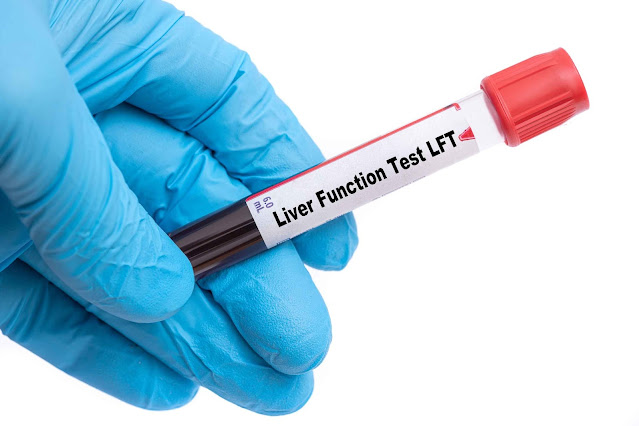
What are the different types of liver function tests?

Image
Your liver is an incredible organ that performs several functions to keep your body running smoothly. It performs over 500 different functions. One of its most important jobs is to break down food and convert it into energy. It also regulates the chemical levels in the blood and creates bile, a substance that carries away waste products from the liver. The liver also: Helps fight off infections Cleans the blood of bacteria and particles Neutralises toxins Regulates several hormones Produces enzymes and proteins needed for blood clotting Metabolises drugs Getting regular liver function tests can help keep you informed on how your liver is doing. Liver function tests are diagnostic tests that measure the levels of proteins and enzymes in your blood. By analysing these substances, any liver damage and disease can be detected and treated. Types of Liver Function Tests There are several types of liver function tests, including: Alanine tr...